Two years ago, at my winter residence, my neighbors roped me into their new hobby:
butterfly field trips.
I had no particular interest but enjoyed playing "spotter" for local bird life sightings, so I went along: Later, I found myself as host to Dr. Robert Pyle—who, I learned later, is a major US expert on the subject. (
Wikipedia page here). He'd received a shoestring grant to roam the US for butterfly studies, and was hoping to sight a rare and endangered species in my immediate (
County) locale.
In just two years, I confess to having developed an interest in this new
outdoor recreation. Much info is to be had, as butterflies:
1) live only around six to eight weeks.

2) "nectar" (feed) at most any flower;
however...
3) eggs are placed on the underside of
a single plant species. (The "host plant", which can differ for each species of butterfly).
4) utilize an organic chemical (a drug) for "dating" purposes.

5) can be seen flying around with big "beak-shaped" chunks missing from their wings.

6) can have very different appearances when viewed from above or below.

7) in several species,
males and females can look very different.
8)
iridescence in coloration is a common
affect.
As the summer progresses, I hope to see more common species close up, and will file a follow-up report here:
One butterfly that is everywhere over Lake Winnipesaukee's waters (right now), is the
Eastern Tiger Swallowtail:

If you see a pale white version, the
Canadian Tiger Swallowtail species overlaps this region by just a little bit.
Hmmm...pale...white...Canadian....

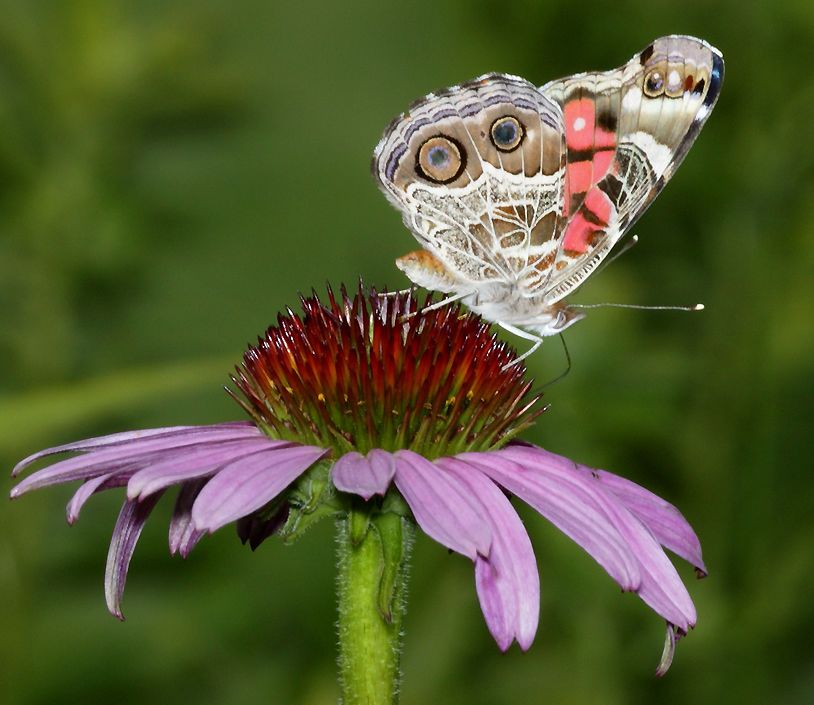
Another, over the lake—rescued yesterday from a spider web—was the
American Lady:
Once you've learned only about a dozen local varities, you can be seriously hooked by this
outdoor hobby. Buying "The Book" is just
some evidence that you're hooked...

Buying a pair of "close-up", image-stabilized, binoculars would be incriminating...

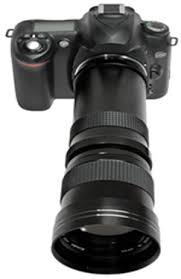
Buying the camera most desired for outdoor butterfly photography will constitute
absolute proof!